Welcome to Rfwel Engineering, LLC
Wireless infrastructure equipment, 4G/5G antennas, site infrastructure, long-distance radio links, signal improvement, wireless control
announcement banner
Arizona Registered Engineering Firm (Reg#17227) | Licensed Low Voltage Communications Contractor (ROC#322820)
Slider
main content
We are an Arizona Registered Engineering firm (Reg#17227, Electrical) and a Licensed Low Voltage Communications Contractor (ROC#322820, Commercial) specializing in helping clients in various industries design, install, configure, and maintain wireless communication and control systems, and solve complex signal capacity and coverage issues.
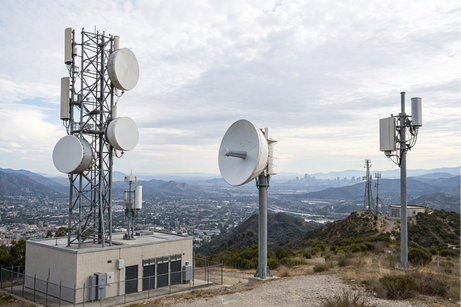
We are experienced in designing custom wireless links for backhaul of remote system data for control or monitoring of remote devices.
As part of our total solution approach, we custom-manufacture several key wireless infrastructure components, and assist our clients in procuring other equipment needed for their project, saving them time, budget, and headaches.
Our AI Automations team assists clients train and fine-tune ML models, automate workflows, and evolve AI solutions in various industries for event analytics, engineering, control, and communication applications.
projects grid
From wireless infrastructure to AI automation, we deliver comprehensive solutions
- HVAC Compatibility [object Object] https://hcomp.rfwel.com/ image
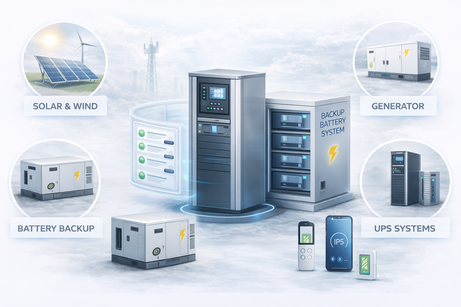
- Power Compatibility [object Object] https://pcomp.rfwel.com/ image
- Wireless Device Info [object Object],[object Object],[object Object] https://wdi.rfwel.com/ image
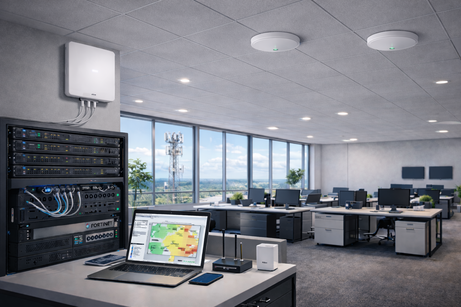
- Indoor Coverage Solutions [object Object] https://rfwel.com/cellular-signal-improvement image
- Custom Wireless Links [object Object],[object Object],[object Object] https://www.rfwel.com/long-range-links image
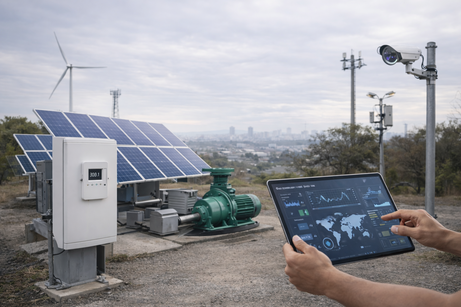
- Wireless Monitoring & Control [object Object],[object Object],[object Object] https://www.rfwel.com/wireless-iot image
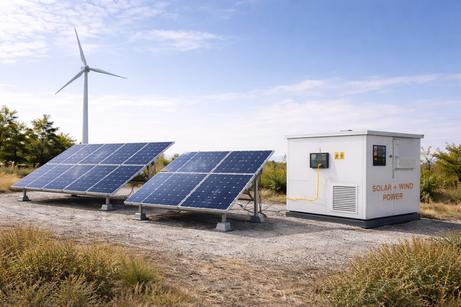
- Remote Power Solutions [object Object] https://www.rfwel.com/off-grid-solar image
- AI Automation [object Object] https://ai.rfwel.com/ image
- Wireless Support [object Object] https://support.rfwel.com/portal/en/kb image




Latest News
Explore how we are advancing wireless infrastructure, AI-driven automation, and remote control systems for clients across the globe.
- 5G Infrastructure Expansion Leading the deployment of next-generation wireless networks across the Southwest.
- Smart City Solutions Implementing AI-driven monitoring systems for urban infrastructure management.
- AI-Powered 6G Networks Major telecom leaders unveiled AI-native 6G infrastructure at MWC 2026